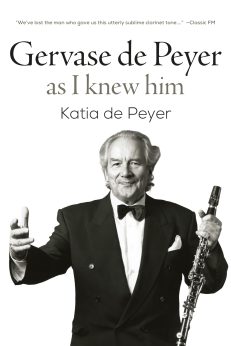
Contents
1. My Dance, Our Symphony
2. New York
3. 16 Langford Place
4. The Chamber Music Society
5. Musical Roots
6. Horovitz, Milhaud, and Mozart
7. Life in New York
8. Musical Colleagues and Friends
9. Challenges
10. Carnegie Concert Hall and the World of Musicians
11. Porto Vecchio
12. A Music Festival at Sea
13. The Assisi Festa Musica Pro
14. Castello di Duino and a Turning Point
15. The Washington Sinfonia
16. More Musical Colleagues and Collaborations
17. Sweet and Sour
18. Master Teacher, Master Passeur
Acknowledgements
Newspaper, Text and Photographic Credits
Appendix A: Gervase de Peyer, Principal Clarinet
Appendix B: Select Recordings
Appendix C: An Extract from Portraits 1: Gervase de Peyer
Select Bibliography
About the Author
About the Author
Katia de Peyer’s first book Dancing with MySelf, Sensuous Exercises for Body, Mind and Spirit (Nucleus Publications, 1991; La Source Press, 2026) introduced her method of inner-centering through movement, hailed by Diane von Furstenberg as a whole new attitude about exercising. Her second book Enjoy Your Healing Power (La Source Press, 2025) is an intuitive, helpful guide for developing our healing power. A ballet dancer born in Paris who lived in Spain to further her studies in flamenco, Katia moved to New York in the late sixties to start a successful career as a personal trainer. There she met the virtuoso clarinettist Gervase de Peyer in 1976. She and Gervase married in 1980 and lived for two decades in the US and then in the UK until Gervase’s death in 2017. Katia continues her work as a writer and healer in London and New York.

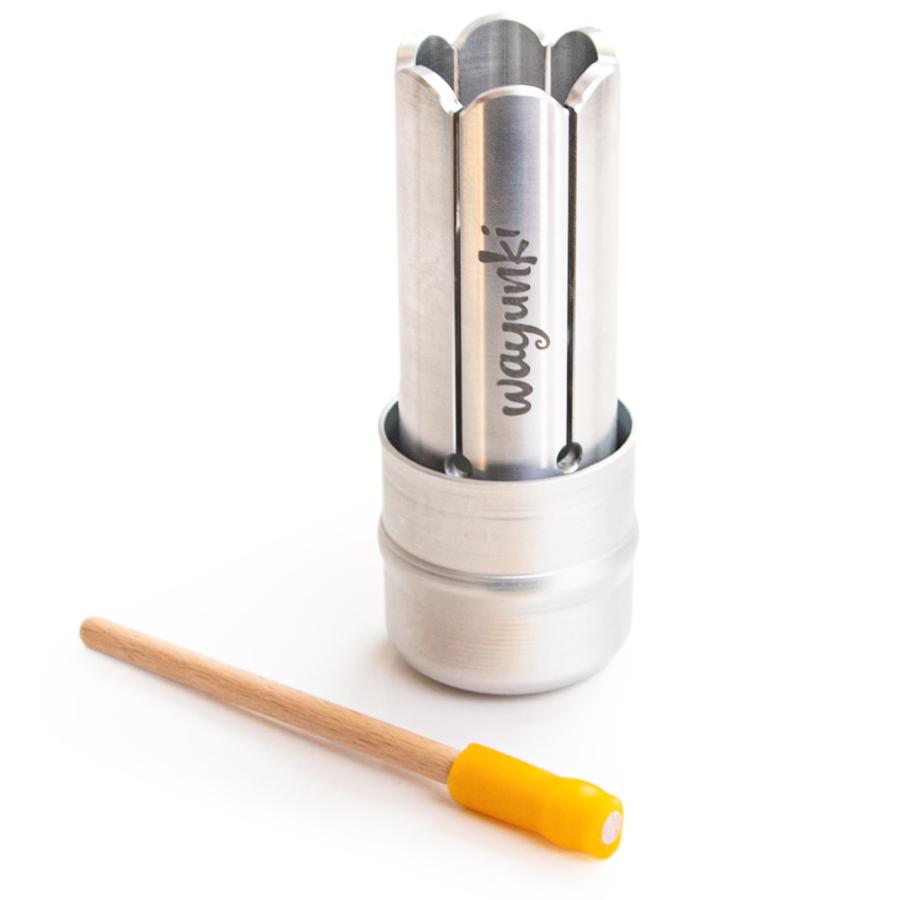
 432hz Crystal Singing Bowls by Meinl Sonic Energy: Individual and 7-Bowl Set
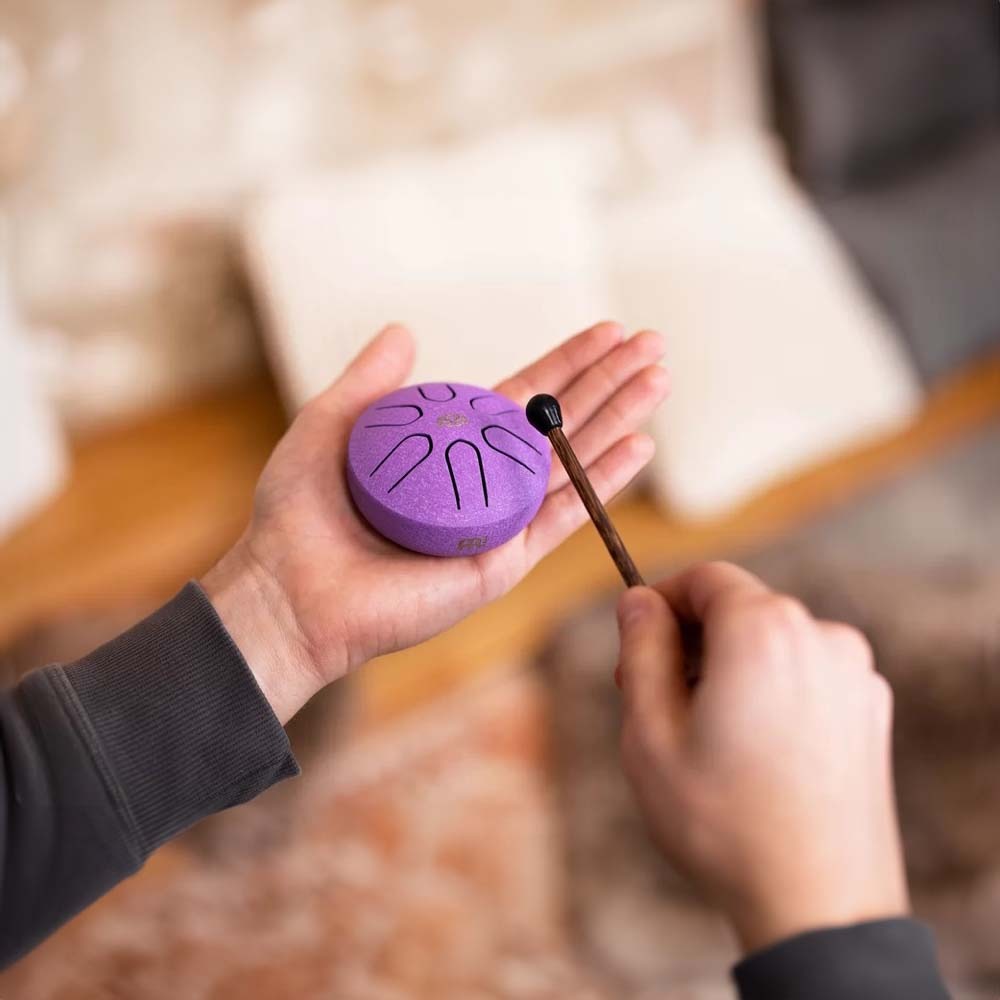 Meinl - 3" Steel Tongue Drum (Pocket)
 Koshi Chimes: Aria, Ignis, Aqua & Terra models and Full Sets
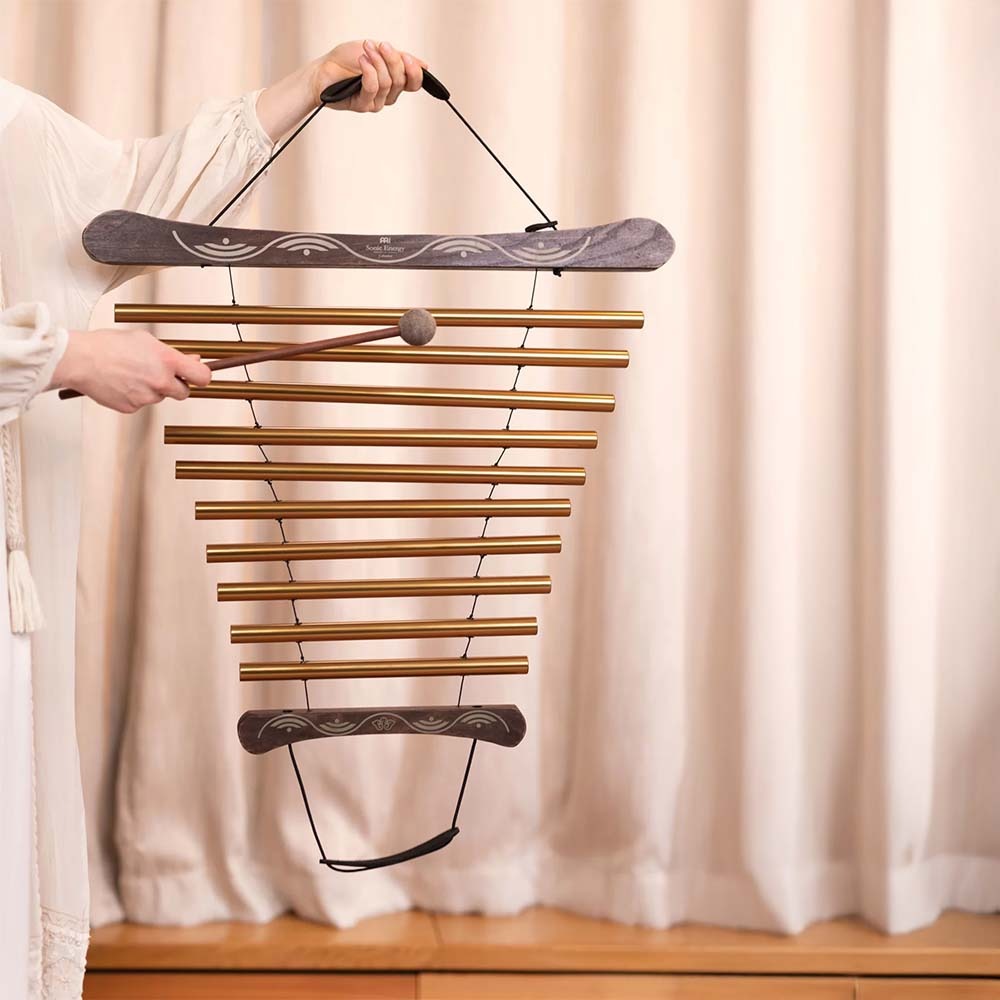 Meinl - Meditation Flow Chime - 35", 440Hz, G Major
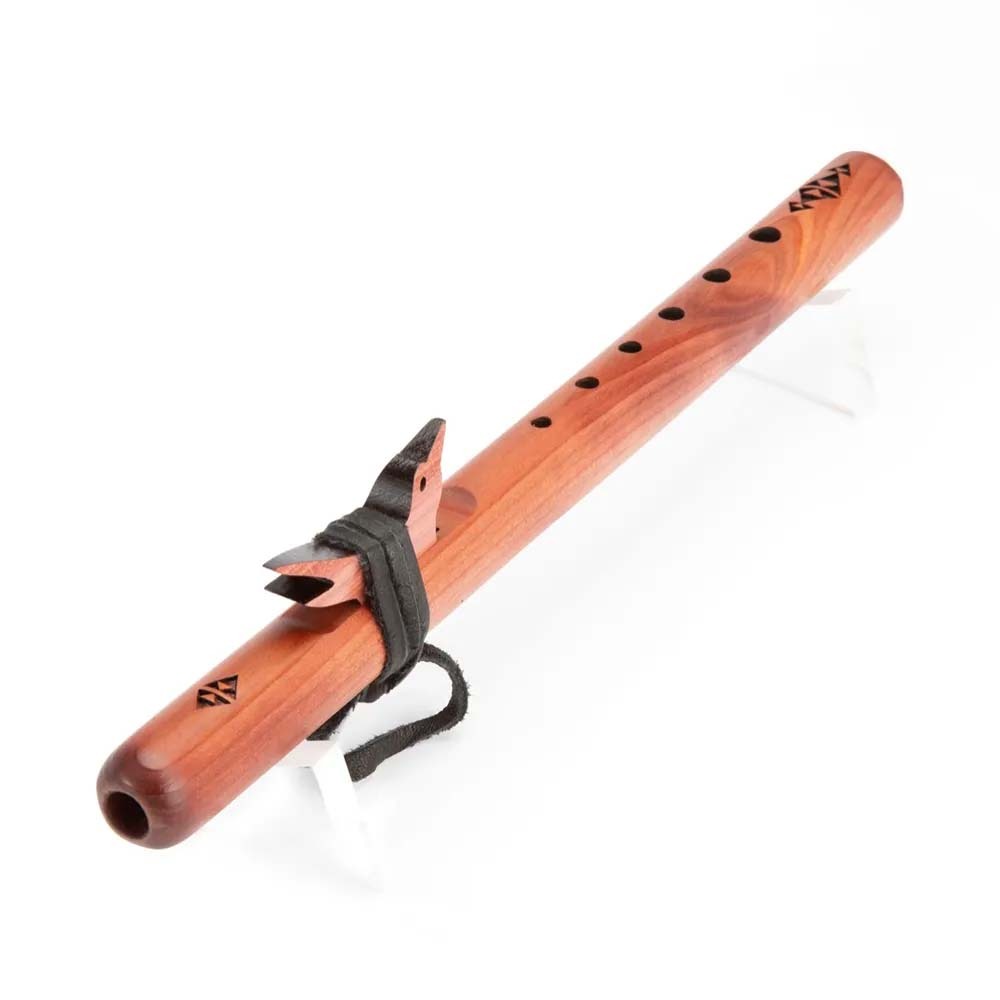 High Spirits Flutes - Pocket Flute - G - Aromatic Cedar
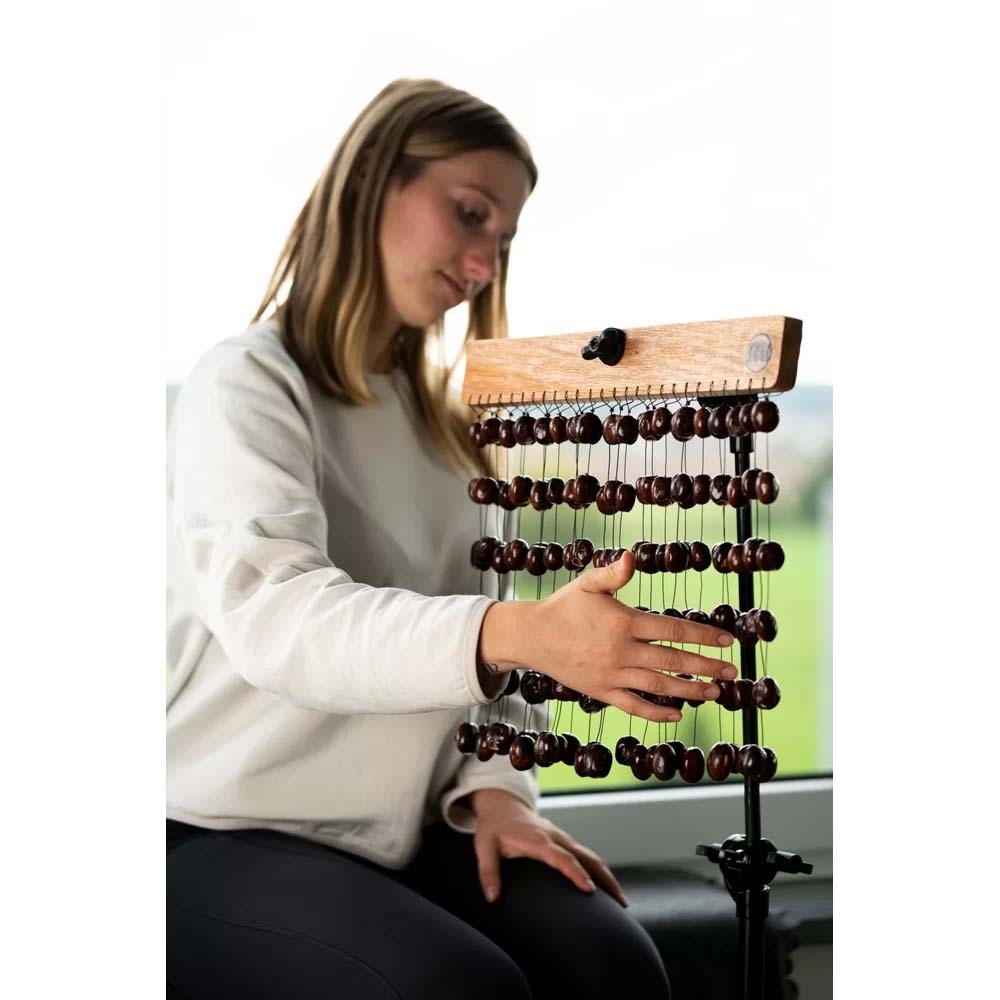 Meinl - Pala chimes
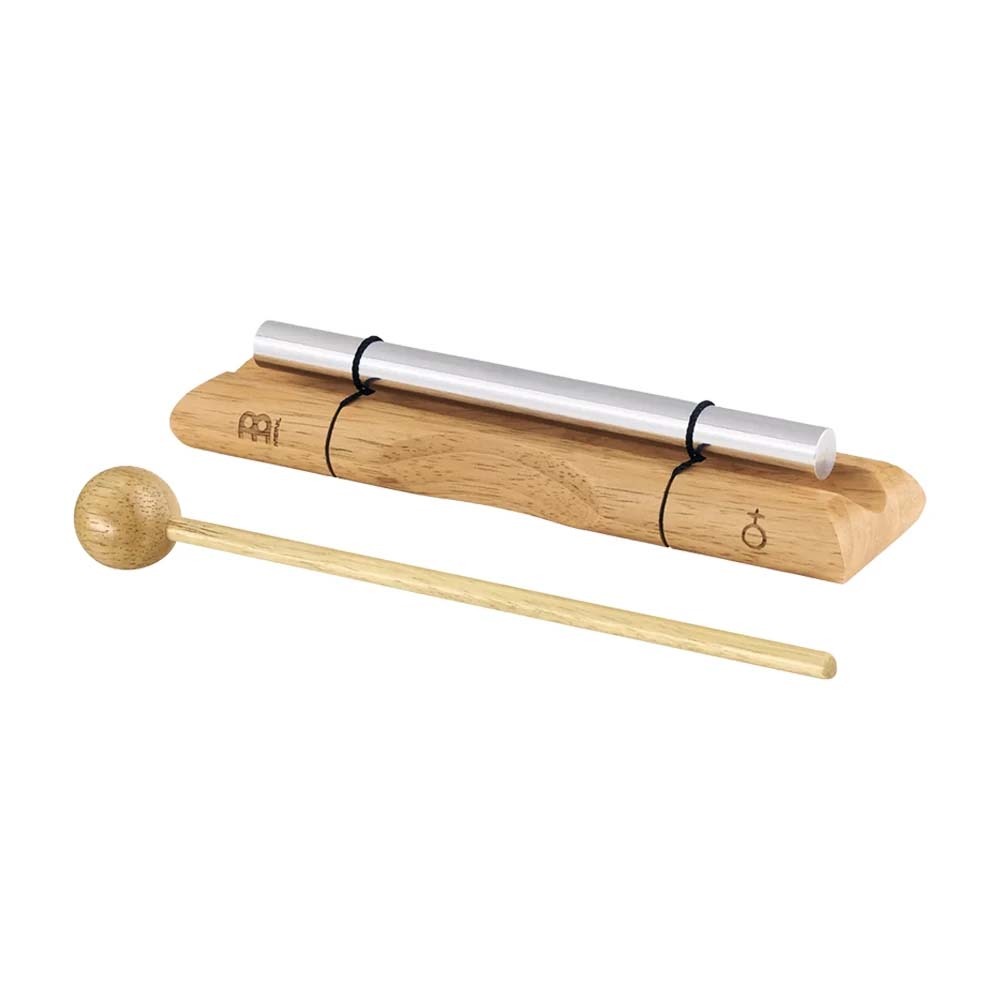 Meinl - Energy Chimes
 Wah-Wah Tubes, Individual and Set of 7 by Meinl